
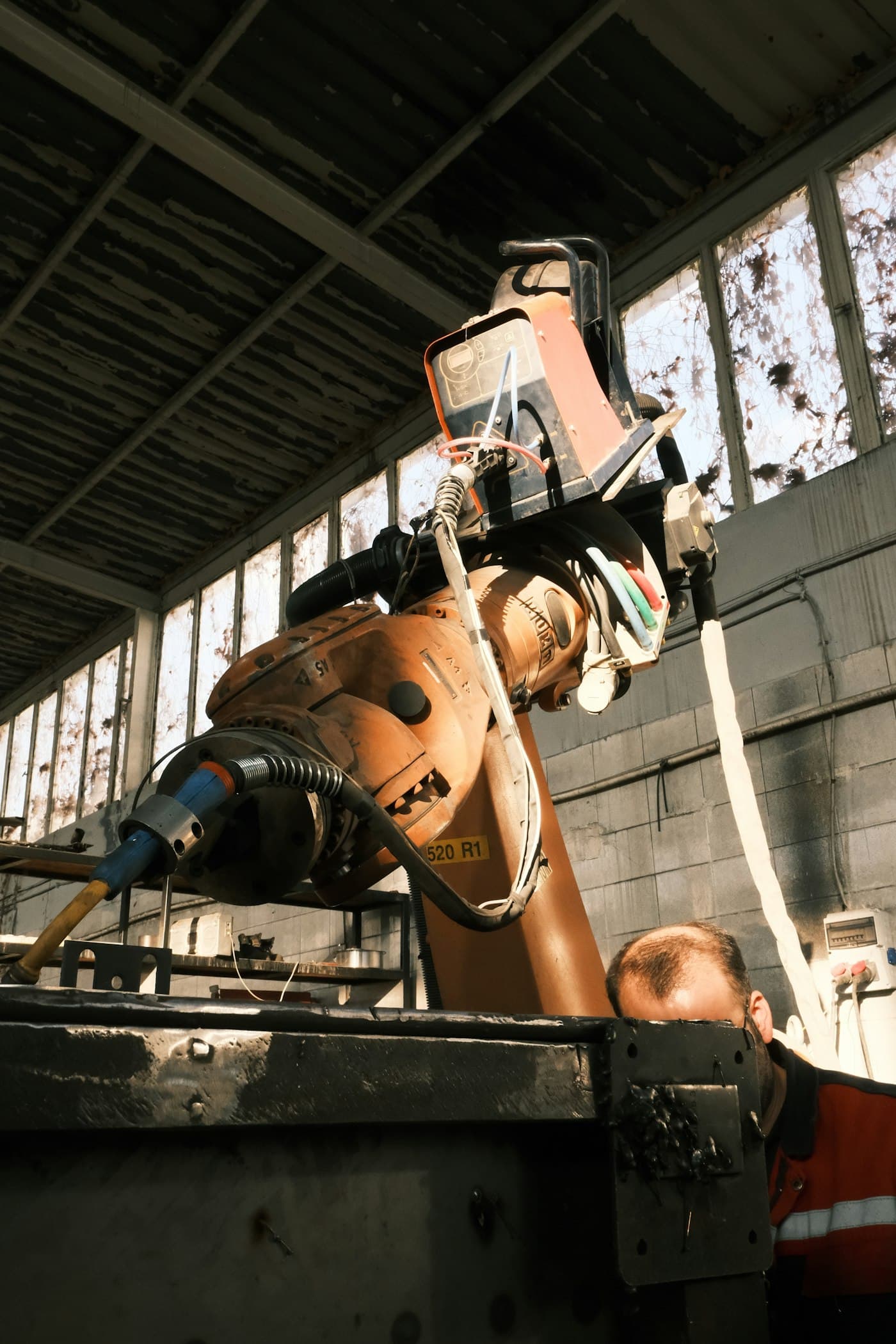
Industries We Automate
Every vertical specs equipment differently — a pharma line answers to GMP and serialization, a food line answers to HACCP and washdown ratings, an EMS line answers to ESD and AOI coverage. We work from that reality rather than a generic catalog: the guides below cover the equipment lines involved, the compliance that actually shapes the specification, and where these lines most often break in practice.
Browse by industry



In-depth industry guides
Longer reads on equipment selection, compliance, and ROI for specific verticals — written from real project scoping conversations, not marketing copy.

Equipment Requirements by Market
What a serialization station actually needs - print, verify, reject, aggregate - and how EU FMD, DSCSA and ASEAN rules differ at the line level.
Read the guide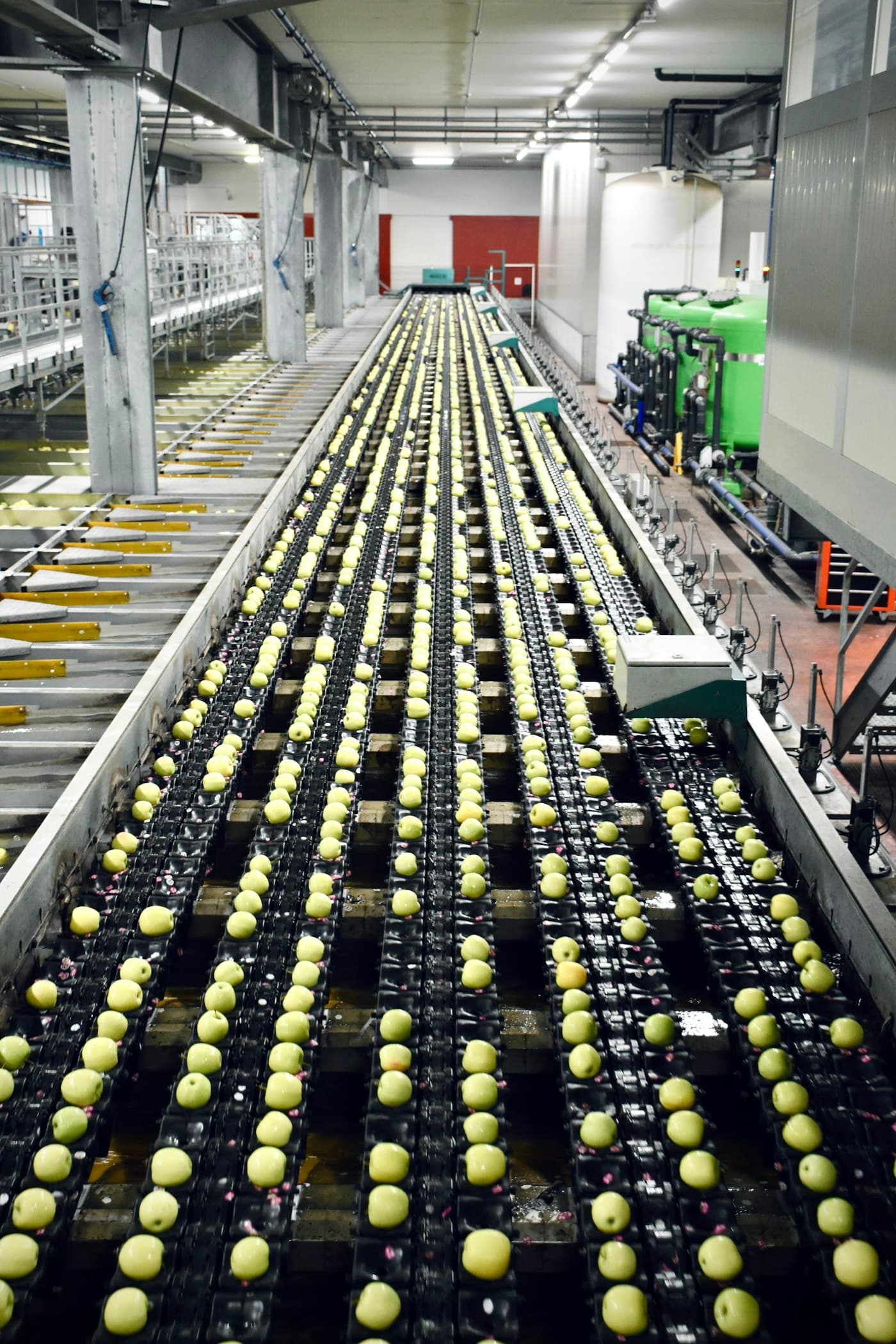
Compliance Requirements for Equipment Buyers
Halal compliance is mostly a materials-and-documentation problem: lubricants, contact parts, segregation and the certificates your auditor will ask for.
Read the guide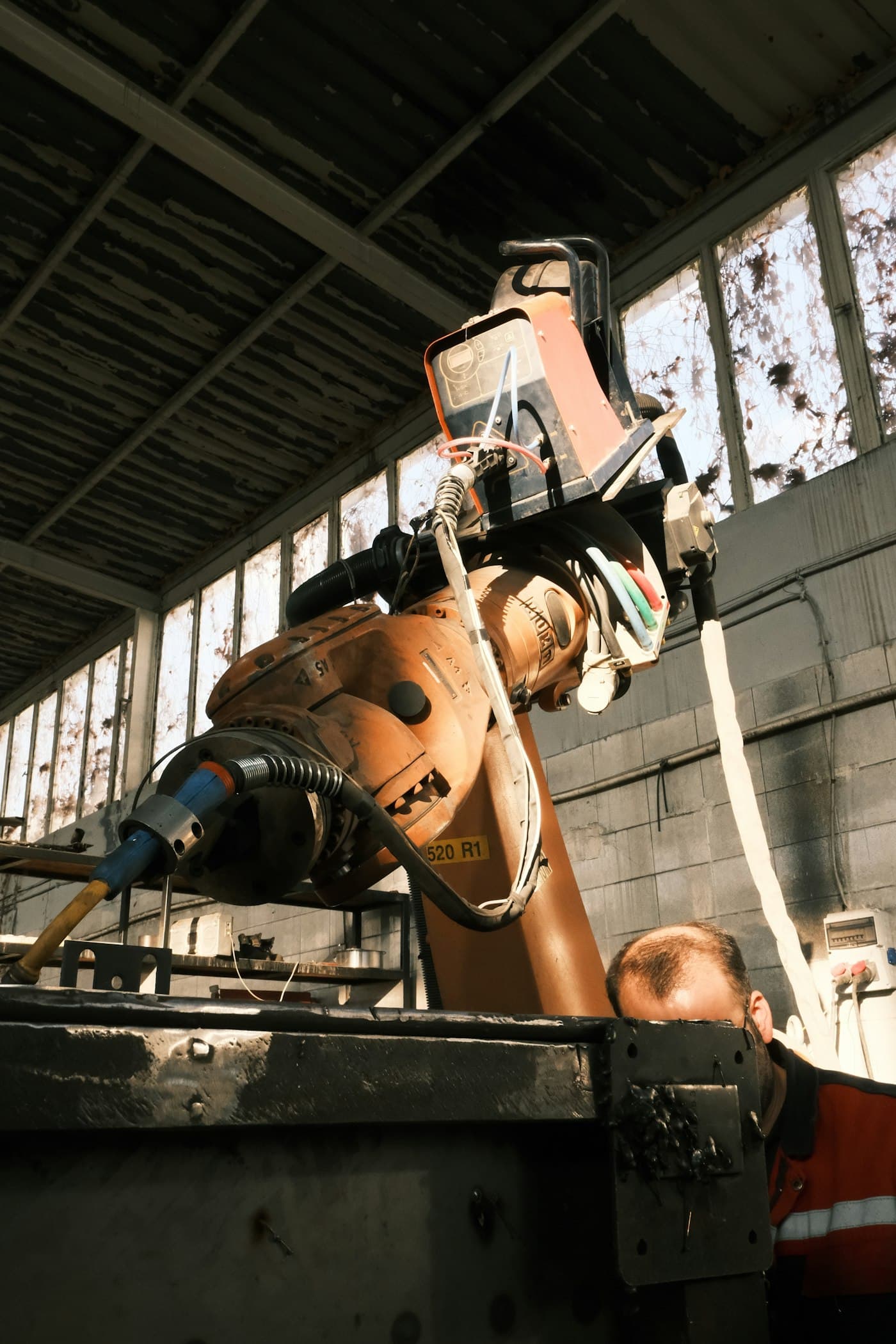
A Framework CFOs Will Accept
Direct savings are only half the story. A complete ROI model covering labor, quality, OEE, hidden costs - with a palletizer example reaching 1.9-year payback.
Read the guide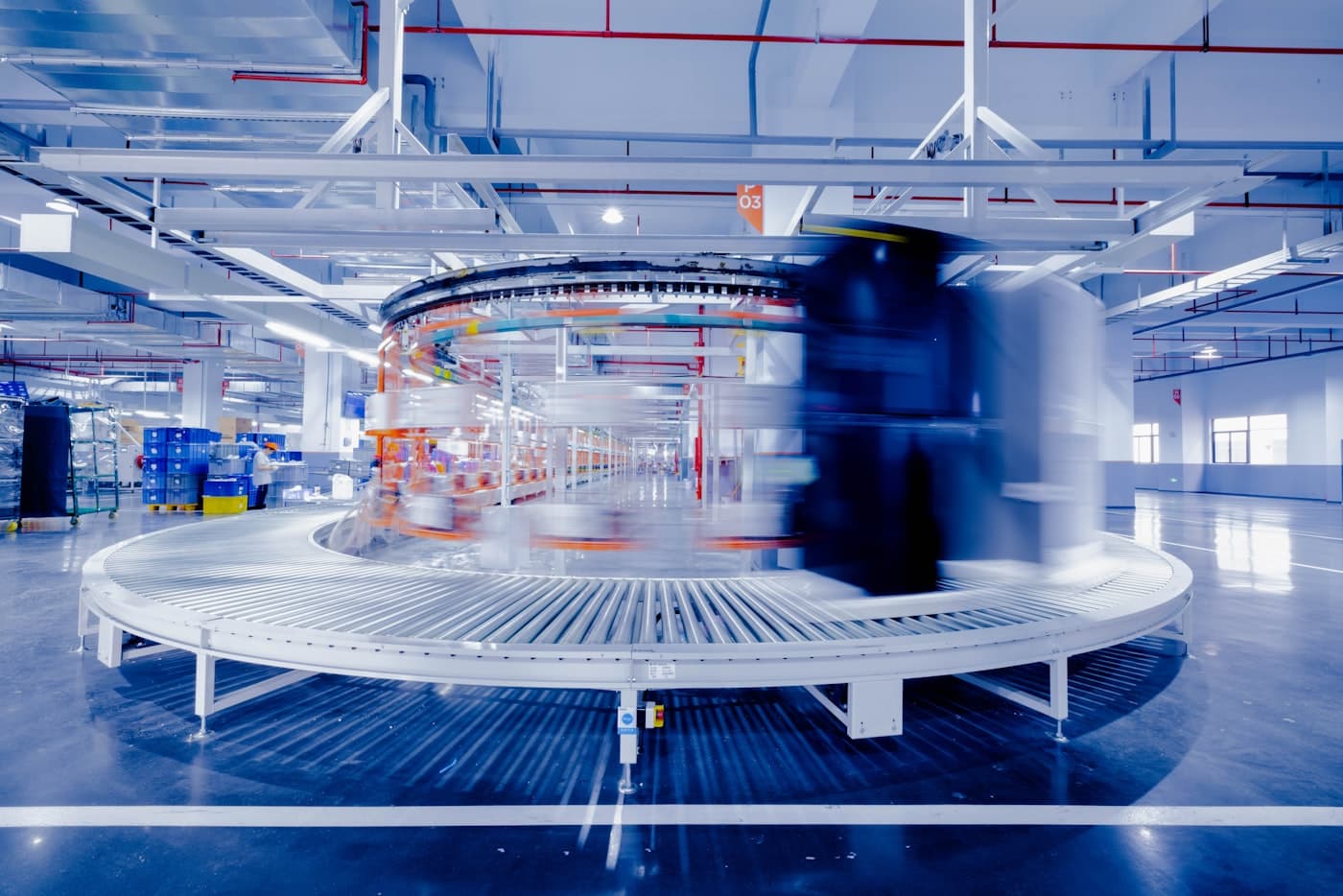
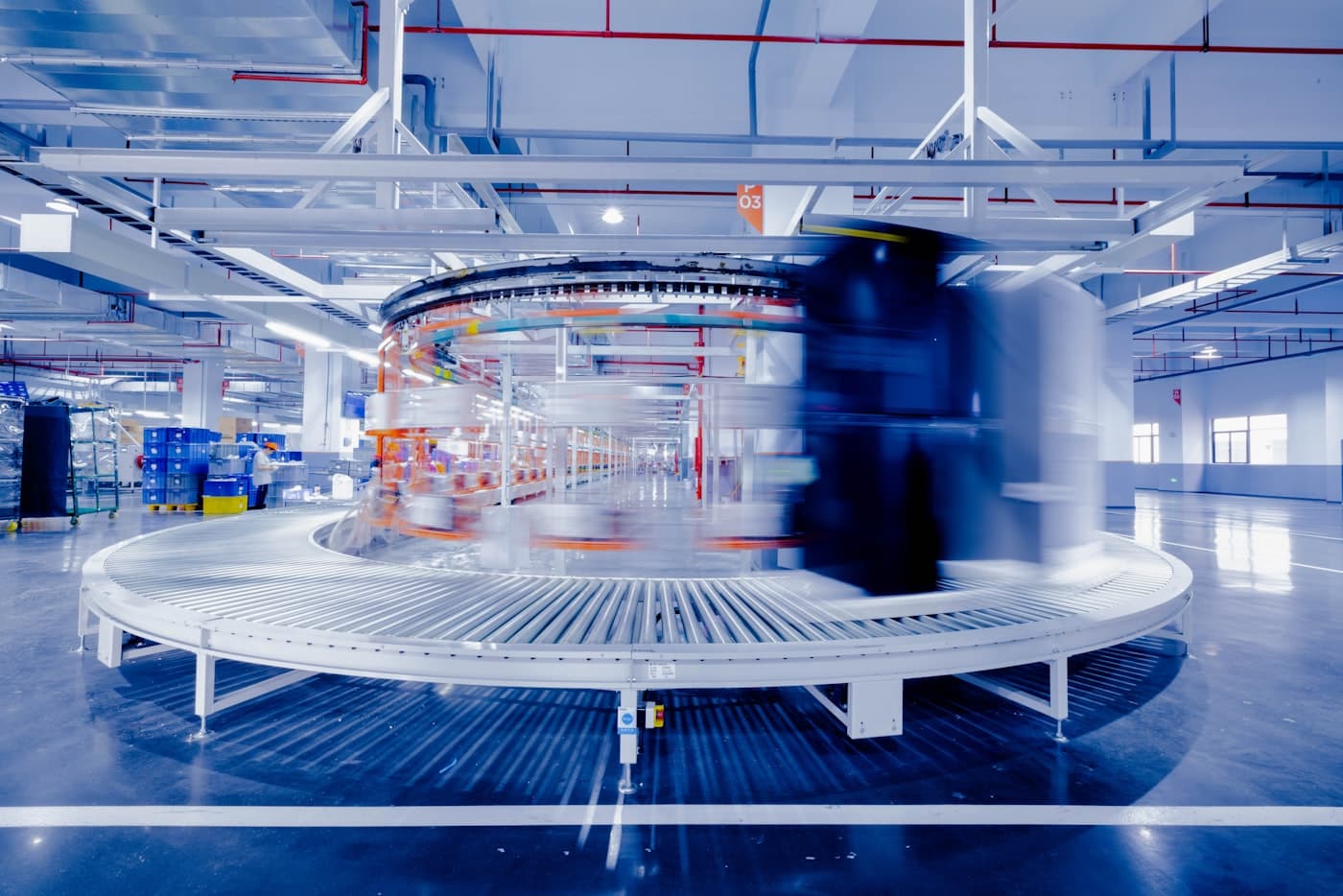
Storage, Picking, Sortation and What to Automate First
Warehouses automate the wrong thing first as often as the right thing. How storage, picking and sortation choices follow from SKU and order profile, and why the interfaces — not the robots — usually decide throughput.
Read the guide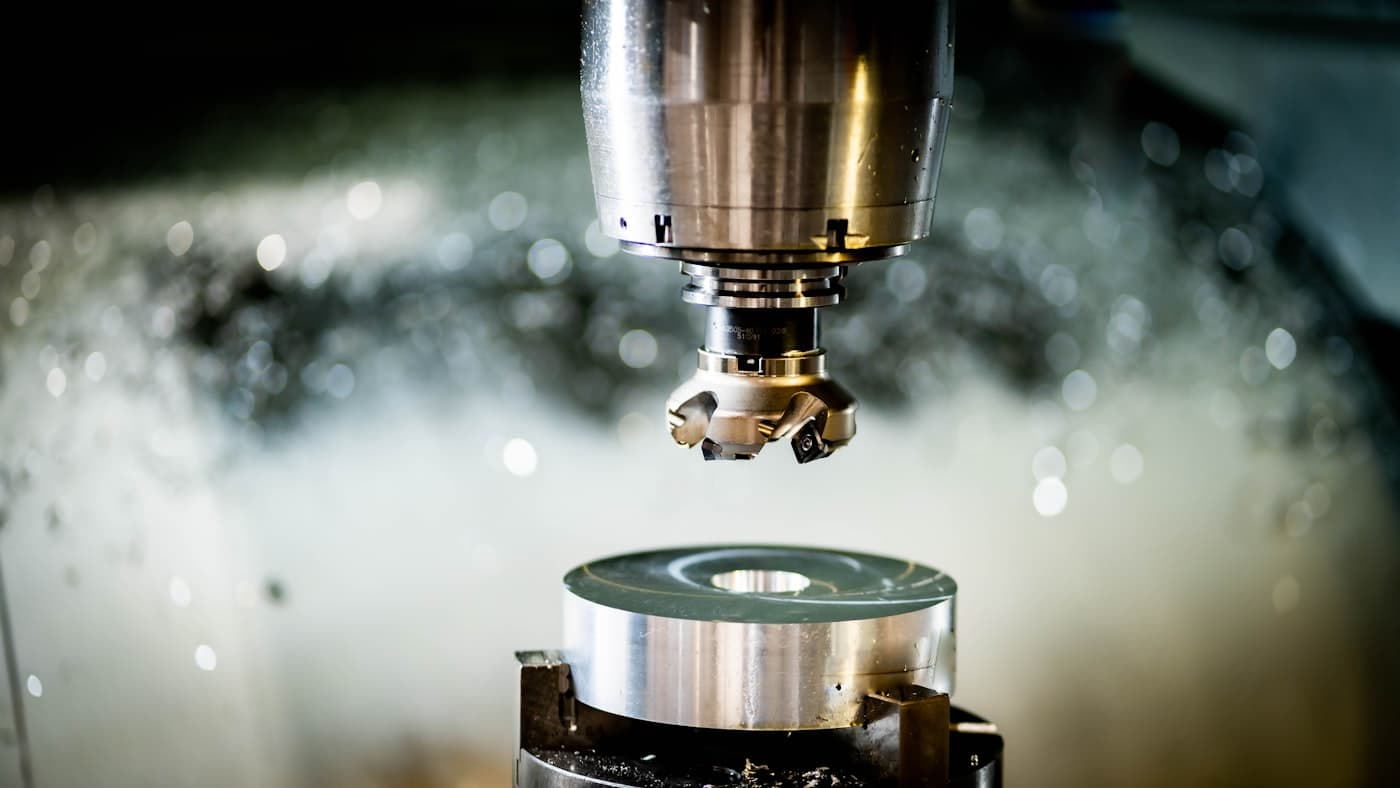
Cutting, Bending, Welding and Where Money Leaks
Sheet-metal and fabrication shops live on material yield, changeover speed and consumable cost. The equipment lines, the parameters that control quality, and the three places fab shops quietly lose margin.
Read the guide
SMT, Test Coverage and Inspection Strategy
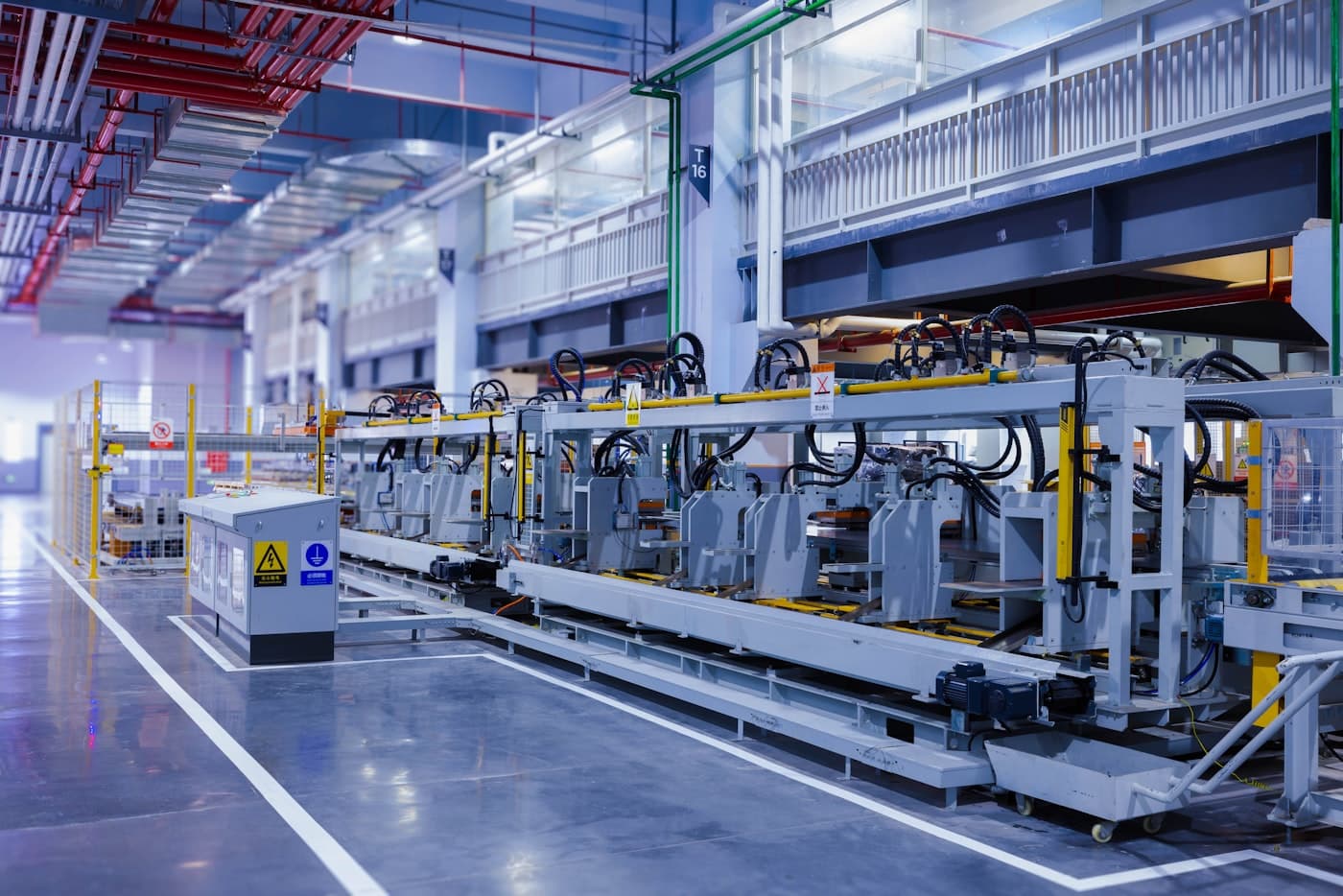
EMS margins are thin and defect escapes are brutal. Where AOI, AXI, ICT and FCT each earn their place, why test coverage is a design decision, and how to cut false rejects without letting real defects through.
Read the guide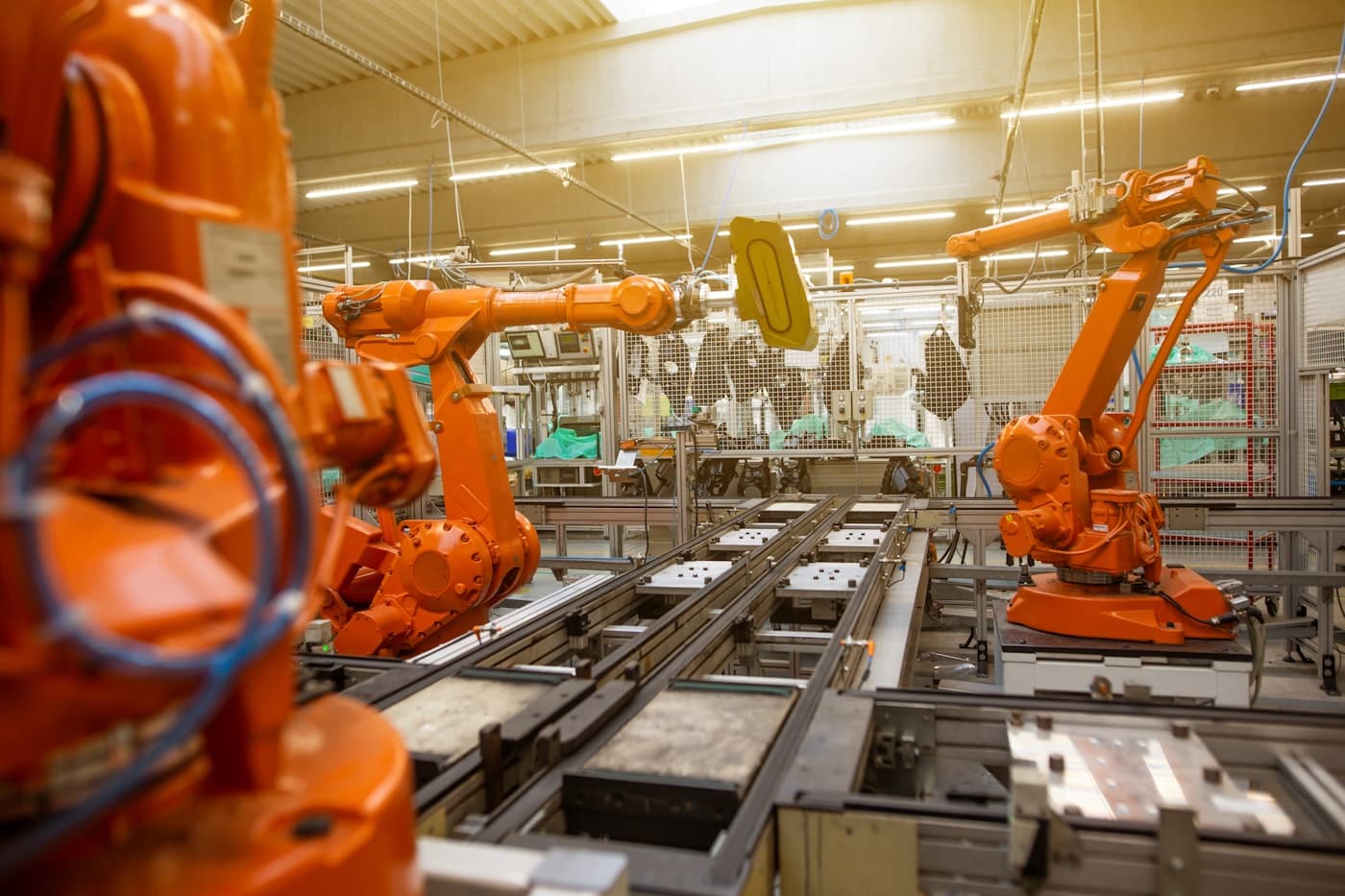
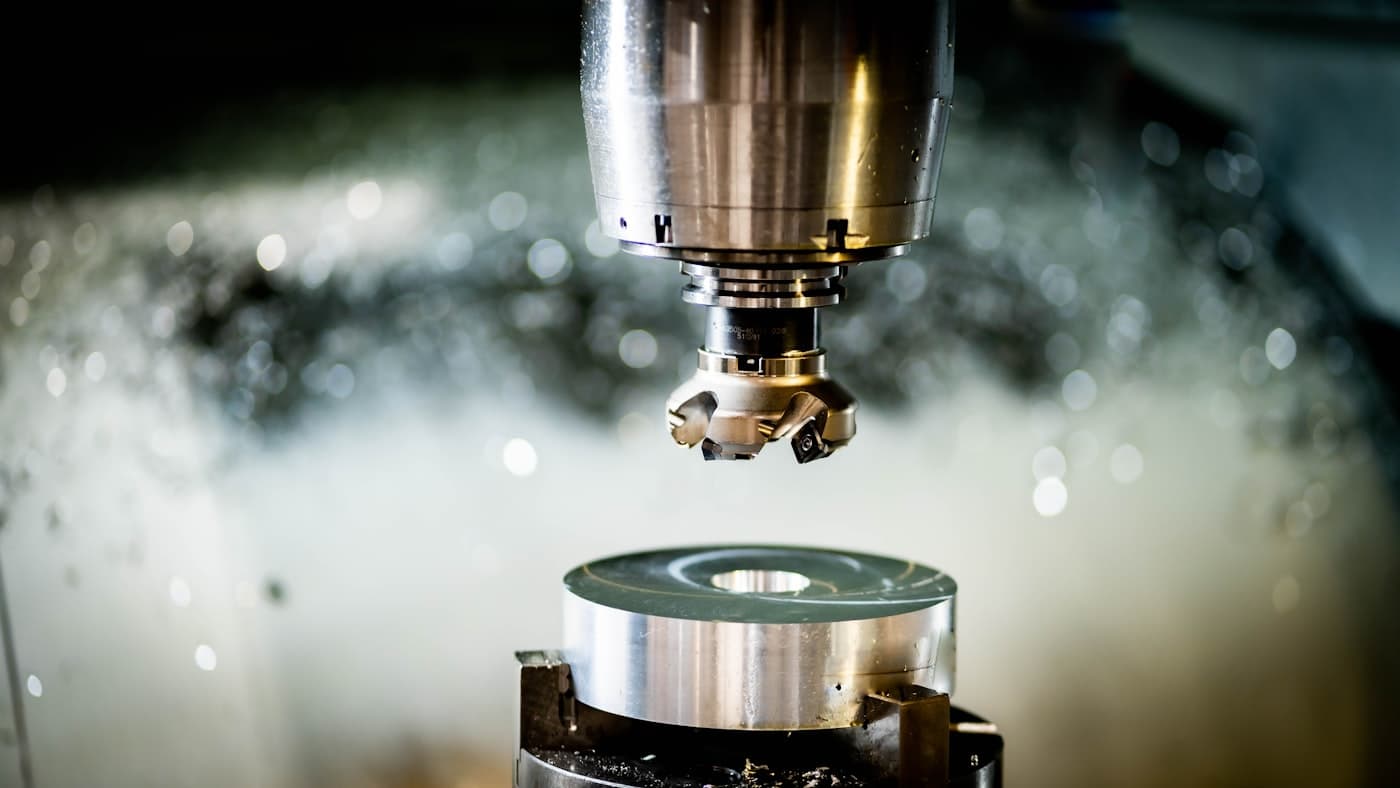
Machining, Assembly, Traceability and Uptime
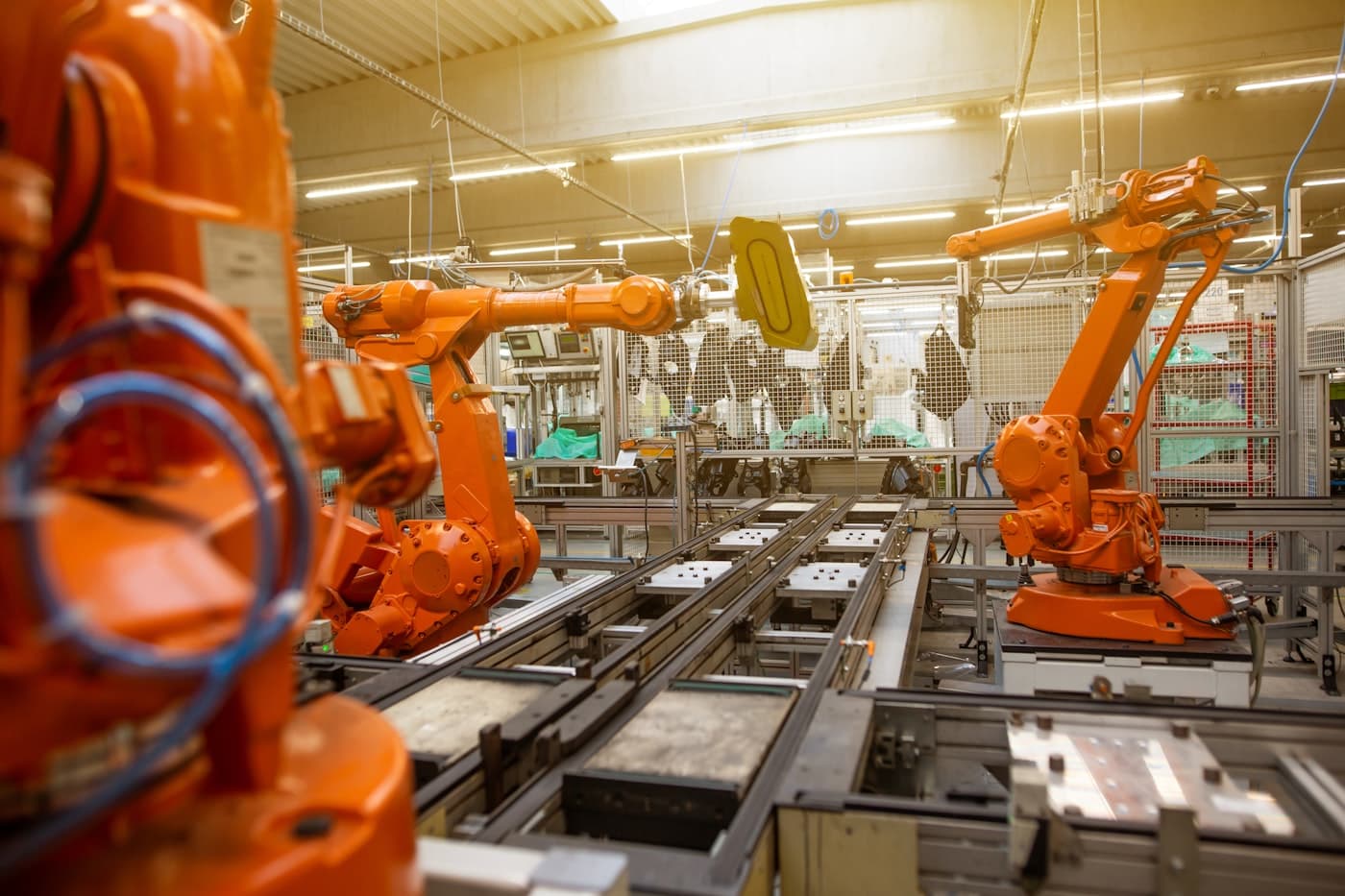
Auto-parts plants live and die by uptime and PPAP-grade traceability. What the machining, assembly and inspection stations need — and why spare-parts lead time, not machine failure rate, is usually the real downtime driver.
Read the guideGMP, Serialization and Validation Realities
Pharma automation is less about speed and more about proof — that every unit was made, filled, sealed and inspected within validated limits, and that the records survive an audit. What that demands of the equipment.
Read the guideEquipment, Compliance and Common Failure Points
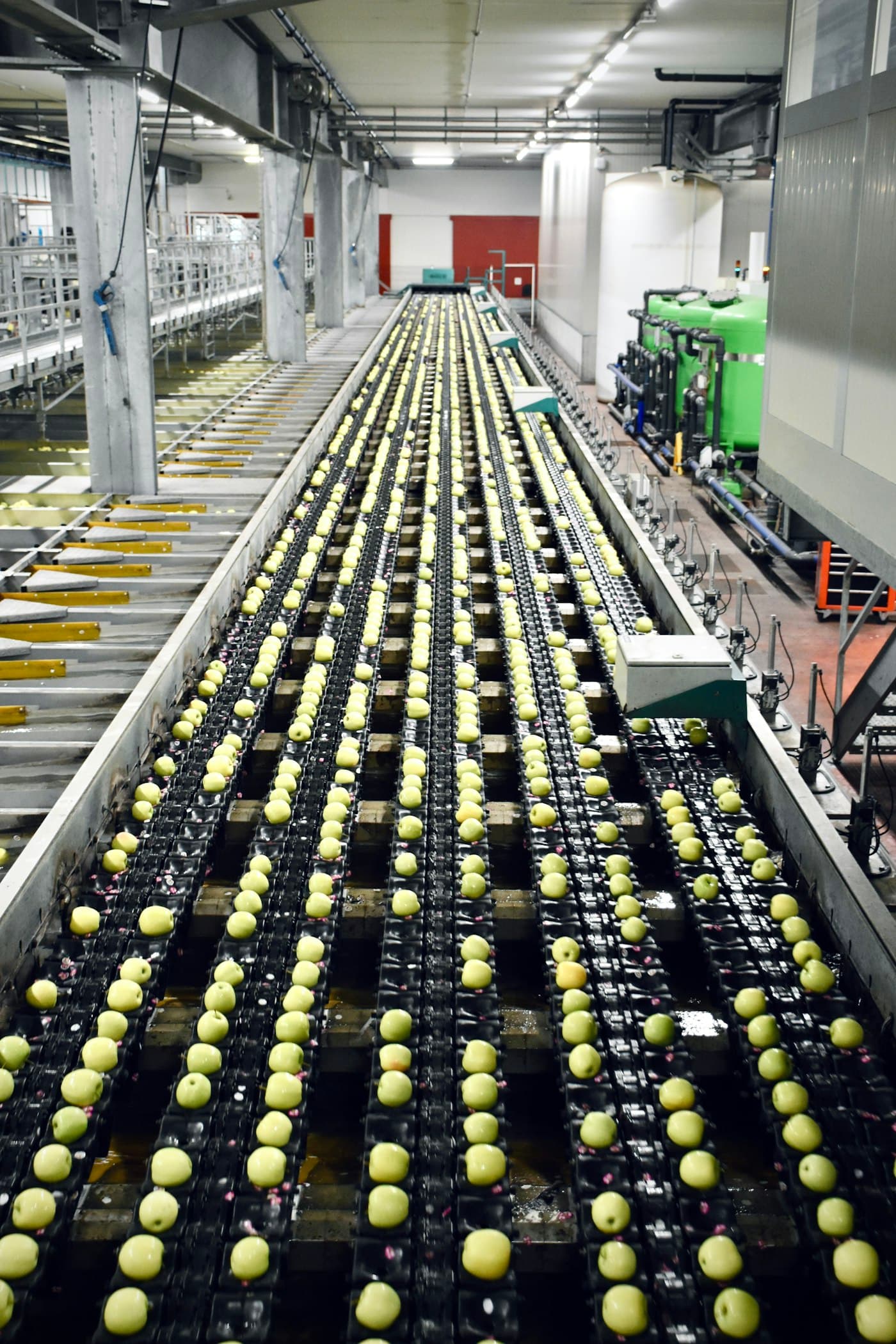
What a food or beverage line actually needs — filling by product viscosity, capping torque that survives hot-fill, MAP for shelf life, and the inspection that keeps it legal. Equipment, standards and where lines break.
Read the guidePlanning a line in your industry, or fixing one?
Scope it with us →